
Sales Funnel Management
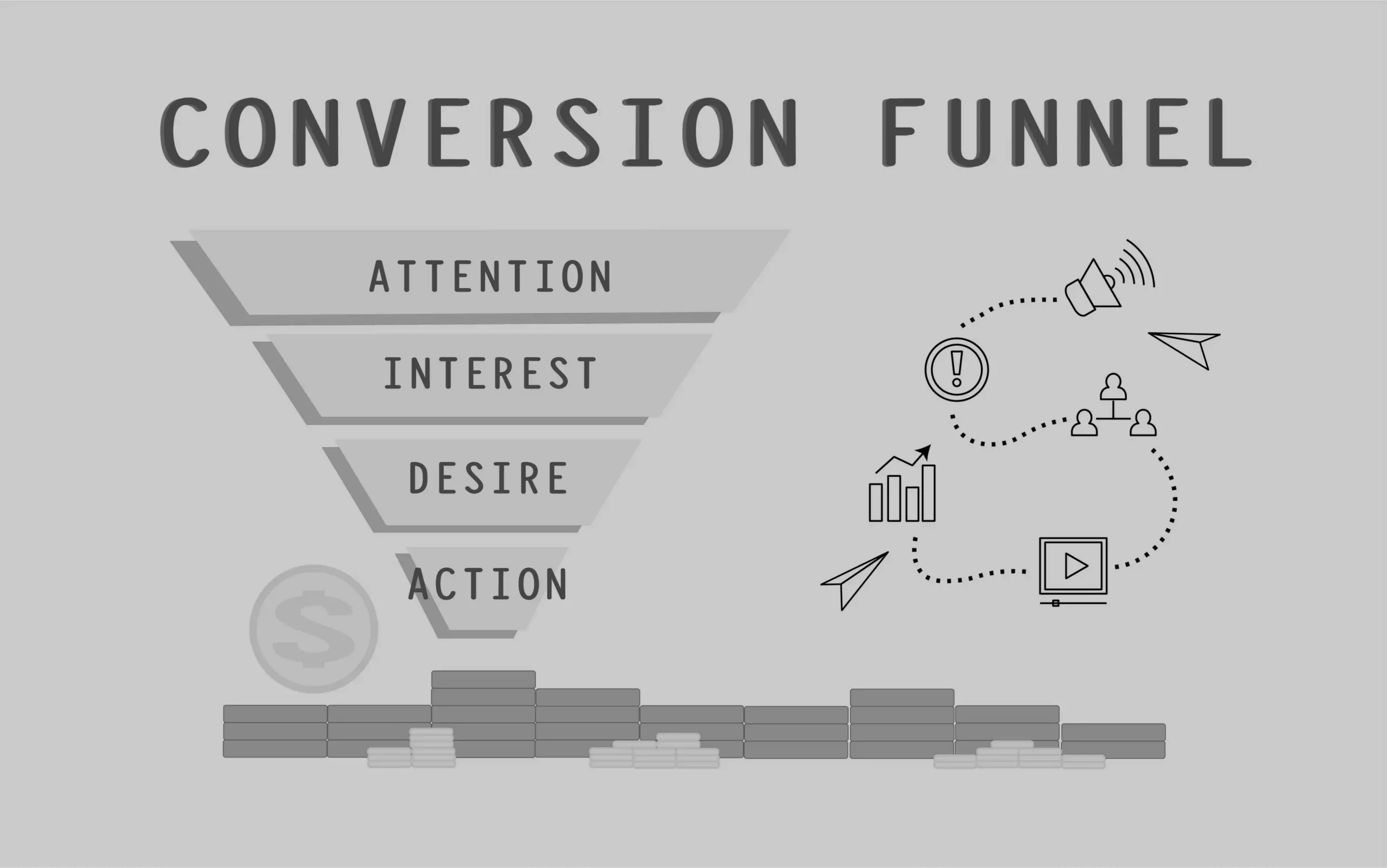
Sales Funnel Management for Store For Shops: The Complete Guide to Converting Browsers into Buyers
Introduction: Your Funnel Is a Sieve, Not a Funnel
Most e-commerce businesses are obsessed with traffic while their sales funnel is haemorrhaging potential customers at every stage.
At Store For Shops, we learned this the expensive way. Our first year, we celebrated hitting 50,000 monthly website visitors. Then we looked at the actual numbers: 50,000 visitors, 3,750 added products to cart, 1,875 initiated checkout, 625 completed a purchase. A 1.25% conversion rate. We were spending ₹5 lakh monthly on traffic and losing 98.75% of visitors.
Then we got serious about funnel management. We mapped every single step of the customer journey. We identified exactly where people dropped off and why. We systematically plugged each leak.
Eighteen months later, with the same traffic volume: 50,000 visitors, 7,500 added to cart, 6,000 initiated checkout, 2,400 completed a purchase. A 4.8% conversion rate — nearly four times higher. Zero additional ad spend.
That is the power of funnel management. Not getting more people into the funnel, but keeping more people moving through it.
🟡 Important Note
The financial data, sales metrics, and performance examples shown on this page are for illustration purposes only. They’re meant to help you understand our processes, tools, and reporting methods — not to represent our company’s actual financial performance.
At Store For Shops, we believe real learning happens when concepts are explained with clear, relatable examples. That’s why we’ve used sample numbers and hypothetical scenarios to make things easier to follow. Please keep in mind that these figures are fictional and simplified to demonstrate how our systems work behind the scenes.
If you’re reviewing this information to understand how we track sales or analyze performance, focus on the methods and workflows, not the specific values shown. The actual business data we use internally is confidential and managed securely to protect both our company and our customers.
Understanding the E-Commerce Sales Funnel
Before optimising your funnel, you need to understand its structure and what’s happening psychologically at each stage.
Stage 1: Awareness
Potential customers become aware of their problem and discover your business. They’re searching for general information — “how to improve my store display,” “I’m opening a new retail store,” “how to maximise retail space.” They’re not focused on specific solutions yet.
Traffic arrives from organic search for informational keywords, social media discovery, content marketing, and word of mouth. Your goal at this stage is to capture attention, build authority, and establish trust.
For Store For Shops, about 70% of our monthly traffic falls into this category. These visitors spend around two minutes on site and bounce more frequently — that’s expected. They’re exploring, not buying.
Stage 2: Interest
Customers are now researching solutions and evaluating options. They’re searching comparison terms — “what’s the difference between gondola shelving and wall systems,” “how much will this cost,” “display fixtures for clothing stores.” They’re actively seeking information.
These visitors spend significantly longer on site (we see around six minutes average), view multiple pages, and have much lower bounce rates than awareness visitors. Your goal is to educate, build trust, and position your products as the best solution.
Stage 3: Consideration
Customers are seriously evaluating your specific offerings against competitors. They’re visiting three or four times, spending eight or more minutes per session, checking your pricing, reading reviews, and looking for reasons to trust you. The decision is imminent — they’re in final evaluation mode.
Your goal here is removing objections, building confidence, and differentiating from competitors. Pricing transparency, genuine customer reviews, and detailed product specifications matter enormously at this stage.
Stage 4: Purchase
The customer has decided to buy. They’re executing the transaction. Your goal is removing every possible source of friction — surprising costs, complicated checkout, limited payment options, or anything that creates doubt in the final moments before they commit.
For Store For Shops, this stage is where we’ve made the most impactful optimisations. Moving checkout completion from 33% to 60% with no additional traffic generated more revenue than months of marketing campaigns.
Stage 5: Retention
The customer has received their order and is evaluating whether they made the right decision. This is where repeat purchase behaviour is either established or lost. Your post-purchase communication, product quality, and support responsiveness determine whether a one-time buyer becomes a repeat customer.
Stage 6: Advocacy
Delighted customers actively promote your business to other retailers. They write reviews, refer colleagues, and share their store setups on social media. For Store For Shops, referral revenue now represents 22% of total revenue — all generated by customers who were served well enough to recommend us without prompting.
Where Customers Drop Off: Funnel Drop Analysis
Understanding your drop-off points tells you where to invest optimisation effort.
In a typical retail e-commerce funnel, the transitions between stages look something like this: of 50,000 monthly visitors, around 10,000 engage meaningfully with products (80% drop at awareness), 3,500 seriously evaluate specific products (65% drop at interest), 2,400 add to cart (31% drop at consideration), 1,920 initiate checkout (20% drop at cart), and 1,152 complete a purchase (40% drop at checkout).
The two most important insights from this analysis are consistent across most retail e-commerce businesses. First, the largest drop by volume is at the top of the funnel — most visitors aren’t ready to buy yet, and that’s acceptable. Second, the most expensive drop by revenue impact is at checkout, where customers who have already decided to buy are abandoning. Every 1% improvement in checkout completion translates to significant monthly revenue at scale.
Top of Funnel: Attracting the Right Traffic
The goal isn’t maximum traffic — it’s qualified traffic.
Traffic Quality Over Volume
Different channels bring very different quality visitors. Analysing conversion rate by traffic source consistently reveals that direct traffic (people who type your URL) and organic search convert at the highest rates, while paid social converts at a fraction of those rates despite often driving significant volume.
At Store For Shops, our traffic quality analysis shows: direct visitors convert at 6.2%, email subscribers at 5.8%, organic search at 3.8%, referral traffic at 3.2%, paid search at 2.4%, and paid social at under 1%. This doesn’t mean paid social is worthless — it plays a valuable awareness role — but it shapes where we invest optimisation effort and how we measure channel success.
The practical implication: obsessing over social media follower growth while your email list and organic content remain underdeveloped is a common and costly mistake.
Content Strategy for Awareness Traffic
Educational blog content targeting informational searches is the foundation of top-of-funnel traffic for most retail businesses. A comprehensive guide like “How to Design a Retail Store Layout That Maximises Sales” attracts thousands of monthly visitors searching for exactly that — store owners who are planning, researching, and building the mental shortlist of suppliers they’ll buy from when they’re ready.
Visual inspiration content — store design galleries, before-and-after transformations, customer success showcases — performs differently. It generates significantly more social shares and saves, builds an emotional connection with the Store For Shops brand, and attracts visitors earlier in their planning journey.
Interactive tools like budget calculators, space planning guides, and ROI calculators deserve special attention. They typically have lower visitor volume than blog content, but their email capture rates are dramatically higher (often 50–70% vs. 10–15% for blog posts) because they deliver immediate, personalised value. Tool users also convert to customers at significantly higher rates than passive content consumers.
Landing Page Optimisation for Awareness Visitors
The most common mistake with awareness-stage traffic is sending it to generic product pages or homepages designed for ready-to-buy customers. Someone searching “how to set up a retail store” doesn’t want to see your gondola shelving catalogue immediately — they want the setup guide they searched for.
Dedicated landing pages for awareness keywords that deliver genuinely useful content, introduce your brand naturally within that context, and offer a relevant email capture (a checklist, a template, a planning guide) consistently outperform generic pages by three to four times in both email capture and eventual conversion.
Key principles for awareness landing pages: match the headline exactly to the search intent, provide immediate value without gating everything behind a form, include a single clear call-to-action, add social proof near the first CTA rather than at the bottom, and make it work perfectly on mobile since over 60% of awareness traffic arrives on smartphones.
Middle of Funnel: Building Trust and Momentum
Visitors are now familiar with you. Your job is to build enough trust and provide enough information that they move naturally toward a purchase decision.
Product Page Optimisation
Weak product pages are one of the highest-leverage improvement opportunities in most retail e-commerce funnels. A well-optimised product page should include multiple high-quality images showing the product installed in real stores (not just warehouse shots), a comprehensive specification section with dimensions and weight capacity, a video demonstration, genuine customer reviews with specific details, an FAQ section addressing common objections, strategic cross-sells for genuinely complementary products, and multiple contact options for customers who want to verify before committing to a large purchase.
At Store For Shops, the single highest-impact product page change was investing in professional photography showing our gondola shelving and display fixtures in actual retail environments. Conversion from product pages increased 35% from this one change.
After-images and reviews are the two elements most customers cite as most important to their purchasing decision. Make both prominent, not buried at the bottom of a long page.
Category Pages and Comparison Tools
Customers browsing categories often suffer from decision paralysis when faced with many similar options. Smart filtering — by store type, product type, price range, and capacity — helps customers narrow to relevant options quickly, reducing the frustration that drives abandonment.
Comparison tools that let customers place two to four products side-by-side and evaluate specifications directly significantly increase add-to-cart rates from category pages. When a customer can directly compare your standard and premium gondola units, they make a confident decision rather than clicking back and forth between tabs.
A guided quiz — “answer five questions to find the right fixture for your store” — achieves the highest conversion rates of any category page feature because it replicates the experience of a knowledgeable salesperson asking the right questions and making a personalised recommendation.
Social Proof Throughout the Funnel
Customer reviews are the single most impactful trust element on product pages. The presence of specific, detailed reviews from verifiable customers consistently increases conversion rates by 25–35%. Generic five-star ratings without accompanying text do far less work.
The key tactics for generating strong reviews: send a review request email seven days after delivery (not immediately), make the process as simple as possible with a direct link, and offer a modest incentive (store credit rather than cash) to reward the effort without appearing to purchase positive reviews.
Testimonials with specific results, real names, and genuine photos of the customer’s store are far more persuasive than generic praise. Case studies that detail the problem, the investment, and the measurable results serve double duty as both trust-builders and content that attracts consideration-stage organic search traffic.
Bottom of Funnel: Removing Purchase Friction
The customer has decided to buy. Your only job now is getting out of their way.
Cart Page Optimisation
The cart page should clearly show product details, easy quantity adjustment, and a running subtotal. A free shipping threshold indicator (“add ₹1,500 for free shipping”) consistently increases average order value — customers would rather spend a little more on product than pay for shipping. Three to four highly relevant cross-sell suggestions (not ten) increases add-ons without creating decision fatigue.
Exit-intent popups on the cart page — triggered when the customer’s cursor moves toward the browser’s close button — recover 8–15% of abandoners when they offer genuine value (a discount, or a cart save link emailed to them) rather than just asking them to stay.
Checkout Optimisation
The checkout process is where the most revenue is lost and most retailers invest the least effort.
The most impactful individual changes from our optimisation work: reducing form fields from twelve to seven increased checkout completion by seven percentage points; adding guest checkout (no account creation required) added six more; improving mobile usability added three; adding more payment options added three more. These incremental gains compound dramatically.
For Indian retail specifically, payment options matter enormously. UPI, net banking, credit and debit cards, pay-on-delivery for lower-value orders, and EMI options for large purchases should all be available. Customers who can’t pay their preferred way abandon without explanation.
Display all costs — shipping, GST, any fees — on the cart page before checkout begins. Discovering unexpected costs at the payment step is the single most common reason for checkout abandonment.
Security signals (SSL badges, payment processor logos, return policy reminders) placed near the final purchase button reduce the last-moment anxiety that causes abandonment. Support options (phone number, WhatsApp link, live chat) visible throughout checkout allow B2B customers who need to verify before committing to a ₹50,000+ purchase to get quick answers rather than abandoning.
Post-Purchase: Converting Buyers into Loyal Advocates
The sale is not the end of the customer relationship — it’s the beginning of the most profitable phase.
Post-Purchase Communication Sequence
A well-structured post-purchase sequence serves multiple business goals simultaneously. The order confirmation email should arrive immediately, summarise the order clearly, and explain exactly what happens next and when. The shipping notification should include tracking information and practical delivery tips. A check-in three days after expected delivery catches problems early — a customer with an issue who doesn’t hear from you becomes a bad review; one who hears from you proactively becomes a testimonial.
Seven days after delivery is the ideal time to request a review. The customer has had enough time to form a genuine opinion and install the fixtures, but the experience is still fresh and positive. Thirty days after delivery is the right moment for a cross-sell email suggesting accessories and complementary products — the customer has seen what they bought in action and has a clear sense of what else they need.
Loyalty and Referral Programmes
Structuring different benefit tiers for new customers, repeat customers, and VIP customers by lifetime spend creates clear incentives for continued purchasing. Priority support, free installation consultation, extended warranties, and early product access all cost relatively little to provide but significantly increase the perceived value of the ongoing relationship.
Referral programmes with genuine incentives for both parties generate the lowest-cost new customer acquisition of any channel. For Store For Shops, referred customers convert at 28% (versus our 2.4% average for paid search), spend 34% more than average, and have significantly higher lifetime value — presumably because they arrive with a trust transfer from the person who referred them.
Funnel Analytics: Measuring What Matters
You cannot improve what you don’t measure.
Set up conversion tracking in Google Analytics 4 for every stage: page views, product detail views, add-to-cart events, checkout initiation, payment information addition, and completed purchases. Track micro-conversions too — video plays, resource downloads, chat initiations, phone clicks — because these often predict eventual purchase behaviour before the customer reaches the cart.
Heat mapping tools show you where customers click, how far they scroll, and where they abandon forms. Session recording lets you watch actual customer sessions to identify confusing navigation, missed content, or friction points that don’t show up in quantitative data.
Weekly funnel reviews — 60 minutes, consistent attendance from marketing, sales, and product — ensure that data becomes action. The cadence of measurement → hypothesis → test → implementation → measurement is what compounds modest individual improvements into dramatic overall results over twelve to eighteen months.
Conclusion: Small Improvements Compound Into Major Results
The most important insight in funnel management is that you don’t need to fix everything at once. You need to pick the biggest leak, fix it, measure the result, then find the next biggest leak and fix that.
At Store For Shops, the journey from 1.25% to 4.8% conversion rate wasn’t one dramatic change. It was eighteen months of identifying drop-off points, forming hypotheses, running tests, and implementing winners. Each individual improvement was modest — a better checkout flow, improved product page photography, a free shipping threshold message on the cart page, a refined post-purchase email sequence. Together, they nearly quadrupled our revenue from the same traffic.
The same opportunity exists in every retail e-commerce funnel. Your customers are already interested. You’re already generating awareness. The revenue you’re missing isn’t hiding in a new traffic channel — it’s leaking through the gaps in your current funnel.
Key Takeaways
- Focus on conversion rate optimisation before scaling traffic — converting 5% of 10,000 visitors is more profitable than converting 1% of 50,000
- Analyse your funnel drop-off by stage to identify where to focus first
- Product page improvements — real photography, genuine reviews, detailed specs, video — consistently deliver strong conversion lifts
- Checkout optimisation is the single highest-leverage funnel investment for most businesses
- Post-purchase communication drives retention, reviews, and referrals simultaneously
- Systematic A/B testing over time compounds modest individual improvements into major overall gains
- Measure conversion rate, not just traffic — traffic is a vanity metric without the conversion context
Browse our complete range of retail display fixtures, gondola shelving, mannequins, and shop fittings at storeforshops.com — and explore our blog for more practical guides helping Indian retailers build profitable, efficiently-run retail businesses.
Frequently Asked Questions About Sales Funnel Management for Indian Retail
Q: What is the average conversion rate for an Indian e-commerce retail store?
A: For B2B retail equipment and similar categories, 1–3% is typical and 3%+ is strong. For B2C retail categories, 2–5% is the range. More important than the absolute number is understanding your own funnel stage by stage — a 1.5% overall rate that comes from a 50% checkout abandonment rate has a very different fix than one caused by poor top-of-funnel traffic quality.
Q: Where should I focus my funnel optimisation efforts first?
A: Start with the stage that has the highest combination of volume and value. For most retail e-commerce businesses, this is checkout — customers who reach checkout have already decided to buy, so every improvement there converts high-intent visitors who were about to be lost. After checkout, work backward: cart page, then product pages, then category pages, then landing pages and traffic quality.
Q: How long does it take to see meaningful funnel improvements?
A: individual changes can show impact within two to four weeks if you have enough traffic for statistical significance. Meaningful overall conversion rate improvements — the kind that noticeably affect monthly revenue — typically emerge over three to six months of consistent optimisation work. Sustained conversion rate gains compound over twelve to eighteen months into the kind of dramatic improvements we experienced at Store For Shops.
Q: What is the single most impactful checkout optimisation for Indian e-commerce?
A: Reducing form fields and adding diverse payment options are consistently the two highest-impact changes. Indian customers have strong payment preferences — some prefer UPI, others net banking, others credit cards, and a significant portion of B2B buyers need EMI options for large orders. A checkout that supports all major Indian payment methods and asks for only essential information will almost always convert better than one that doesn’t, regardless of how well everything else is optimised.
Q: How do I reduce cart abandonment without offering constant discounts?
A: The majority of cart abandonment is caused by friction rather than price sensitivity. Showing all costs (shipping, GST) before checkout begins, offering multiple payment options, simplifying the checkout flow, and providing visible support options address the structural causes. Exit-intent popups that offer to save the cart and email a link recover abandoners who were distracted rather than hesitant. Reserve discount-based recovery for the third-touch approach when other tactics haven’t converted the customer.
Q: How does funnel management connect with Store For Shops products?
A: Our store fixtures directly support the physical retail equivalent of funnel management. A gondola shelving system that organises products clearly reduces the “too hard to find” friction that drives in-store abandonment. Display stands that group complementary products naturally support cross-selling at the point of browsing. Well-presented mannequins and clothing racks in a fashion store help customers visualise the complete purchase — the retail equivalent of showing a complete product solution rather than individual items. The principles of removing friction, building trust, and guiding customers toward confident decisions apply equally online and in a physical store. Visit storeforshops.com to browse our full range.