
Fiberglass-Mannequins
Why Use Fiberglass for Mannequin Manufacturing: The Complete Guide to Superior Display Solutions
The Science Behind Premium Mannequin Materials
When you walk into a high-end boutique or department store, the mannequins that catch your eye and showcase clothing with stunning realism are almost certainly made from fiberglass. But why has this material become the gold standard for mannequin manufacturing, and what makes it superior to alternatives like plastic, wood, or foam?
At Store For Shops, we’ve worked with countless retailers who’ve discovered the transformative power of premium fiberglass mannequins. The difference isn’t just aesthetic—it’s about creating displays that drive sales, withstand daily retail wear, and maintain their professional appearance for years.
Understanding why fiberglass dominates the mannequin industry helps explain why investing in quality display fixtures pays dividends for your store’s success and brand image.
What Makes Fiberglass Ideal for Mannequin Construction?
Superior Material Properties
Composite Strength and Flexibility: Fiberglass combines glass fibers with resin polymers, creating a composite material that offers the best of both worlds. This unique structure provides exceptional strength-to-weight ratios while maintaining enough flexibility to resist cracking under stress.
The glass fibers act as reinforcement, distributing stress across the mannequin’s surface, while the resin matrix binds everything together and provides smooth, workable surfaces. This combination makes fiberglass mannequins incredibly durable without being prohibitively heavy.
Temperature Stability: Unlike plastic mannequins that can warp in hot store environments or become brittle in cold conditions, fiberglass maintains dimensional stability across extreme temperature ranges. This means your window displays won’t suffer from seasonal warping or cracking.
Chemical Resistance: Fiberglass resists most cleaning chemicals, perfumes, hair products, and fabric treatments that mannequins encounter daily in retail environments. This resistance prevents staining, discoloration, and surface degradation that plague other materials.
Manufacturing Advantages
Precise Detail Reproduction: The molding process for fiberglass allows manufacturers to capture incredibly fine details—from realistic facial features to muscle definition and natural body contours. Fiberglass is the hands-down winner in looks. In the realistic mannequins, it looks the most realistic.
Consistent Quality Control: Fiberglass manufacturing processes allow for tight quality control, ensuring each mannequin meets exact specifications. This consistency is crucial for chain stores that need identical displays across multiple locations.
Surface Finish Options: Fiberglass can be finished with various textures and coatings, from matte to glossy, textured to ultra-smooth. This versatility allows manufacturers to create mannequins that perfectly match different store aesthetics and brand requirements.
Key Benefits of Fiberglass Mannequins for Retailers
Unmatched Durability and Longevity
Impact Resistance: Fiberglass mannequins handle the daily rigors of retail environments better than any alternative material. They resist chips, cracks, and breaks that occur from frequent dressing, moving, and accidental impacts.
Wear Pattern Resistance: High-traffic areas of mannequins—joints, attachment points, and contact surfaces—maintain their integrity longer with fiberglass construction. This durability translates to lower replacement costs and consistent display quality.
UV Stability: Window displays expose mannequins to harsh sunlight daily. Fiberglass resists UV degradation, preventing the fading, yellowing, and material breakdown that affects plastic and other synthetic materials.
Superior Aesthetic Appeal
Realistic Surface Texture: The smooth, skin-like finish achievable with fiberglass creates the most lifelike appearance possible in mannequin design. This realism helps customers envision themselves wearing the displayed clothing.
Paint and Finish Adhesion: Fiberglass provides an excellent surface for paints, makeup, and protective coatings. Colors remain vibrant longer, and finishes bond permanently without chipping or peeling.
Design Flexibility: The moldability of fiberglass allows for complex poses, anatomically correct proportions, and artistic interpretations that enhance the visual impact of clothing displays.
Professional Brand Image
Premium Appearance: Store owners face a pivotal decision that balances durability with style, impacting both the customer experience and the longevity of their display investments. Fiberglass mannequins immediately communicate quality and attention to detail, elevating the perceived value of displayed merchandise.
Consistency Across Displays: The dimensional stability and manufacturing precision of fiberglass ensure that multiple mannequins maintain consistent appearances, creating cohesive and professional-looking displays.
Versatile Styling Options: From abstract artistic forms to photorealistic human figures, fiberglass accommodates every design aesthetic, allowing brands to maintain visual consistency across their retail displays.
Comparing Fiberglass to Alternative Materials
Fiberglass vs. Plastic Mannequins
Durability Comparison: While plastic mannequins offer initial cost savings, they typically require replacement 2-3 times more frequently than fiberglass alternatives. The hollow construction of most plastic mannequins makes them vulnerable to cracks and breaks.
Aesthetic Differences: Plastic mannequins often have visible seam lines, limited pose options, and surfaces that become dull or cloudy over time. Fiberglass maintains its appearance and can achieve seamless, lifelike finishes.
Weight and Stability: The solid construction of fiberglass mannequins provides better stability for heavy garments and accessories. Lightweight plastic mannequins may tip over or move unexpectedly.
Fiberglass vs. Wood Mannequins
Maintenance Requirements: One of the drawbacks of wood mannequins is they can be hard to move due to their weight. In addition, the transport cost will most likely increase compared to other materials.
Wood requires regular maintenance, refinishing, and protection from moisture. Fiberglass needs only basic cleaning and occasional touch-up painting.
Design Limitations: Wood mannequins are typically more abstract and less detailed than fiberglass alternatives. They also offer limited pose options due to construction constraints.
Environmental Considerations: While wood is renewable, the treatments and finishes required for retail durability often involve harsh chemicals. Fiberglass manufacturing has become more environmentally conscious with improved resin formulations and recycling programs.
Fiberglass vs. Foam Mannequins
Professional Appearance: Foam mannequins, while lightweight and inexpensive, lack the professional appearance necessary for high-end retail displays. They’re better suited for storage or behind-the-scenes fitting purposes.
Durability Issues: Foam is prone to dents, tears, and compression damage. It also absorbs odors, stains, and moisture, making it unsuitable for long-term retail use.
Limited Applications: The soft nature of foam makes it impractical for displaying structured garments, heavy accessories, or items requiring precise fit demonstration.
Manufacturing Process: How Fiberglass Mannequins Are Made
Design and Sculpting Phase
Master Model Creation: The process begins with creating a master sculpture, often sculpted by artists who specialize in human anatomy and fashion display requirements. This master model captures every detail that will appear in the final mannequins.
Mold Development: From the master sculpture, manufacturers create negative molds using materials like silicone or plaster. These molds must be precisely engineered to ensure consistent reproduction and easy demolding.
Fiberglass Application Process
Gel Coat Application: The first layer applied to the mold is the gel coat—a smooth, pigmented resin that becomes the mannequin’s finished surface. This layer determines the final appearance and texture.
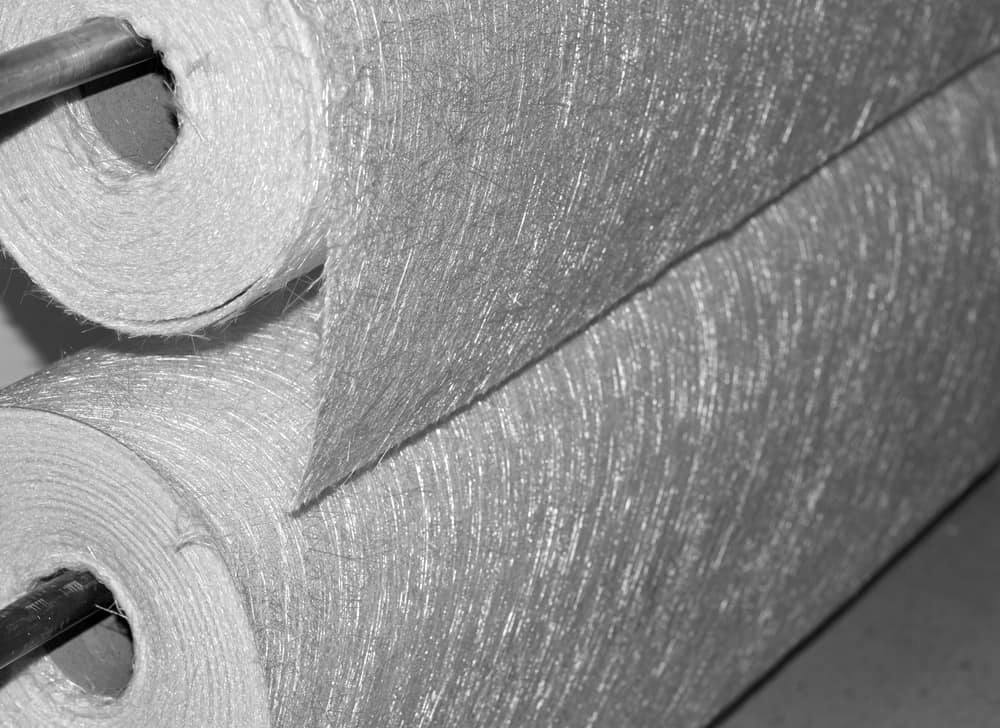
Fiberglass Mat Layering: Chopped strand mat or woven fiberglass cloth is layered with resin to build thickness and strength. Multiple layers ensure adequate durability while controlling weight.
Resin Saturation: Each layer must be thoroughly saturated with resin and air bubbles removed to prevent weak spots or surface defects. This step requires skilled technicians and proper equipment.
Finishing and Quality Control
Demolding and Trimming: Once cured, mannequins are carefully removed from molds and excess material is trimmed. Seam lines are sanded smooth and any defects are addressed.
Surface Preparation: The entire surface is sanded to the appropriate smoothness level, cleaned, and prepared for painting or finishing.
Painting and Final Finishing: Multiple paint coats are applied, often including base colors, skin tones, makeup details, and protective clear coats. Each layer must cure properly before the next application.
Cost-Effectiveness: Why Fiberglass Delivers Value
Initial Investment vs. Long-Term Costs
Higher Upfront Cost: Fiberglass mannequins typically cost 50-100% more initially than plastic alternatives. However, this investment pays dividends through extended service life and reduced replacement frequency.
Replacement Frequency Analysis: While a plastic mannequin might last 2-3 years in active retail use, quality fiberglass mannequins often perform well for 8-10 years or longer with proper care.
Maintenance Cost Savings: The durability and chemical resistance of fiberglass reduce cleaning time, repair frequency, and the need for special handling procedures.
Return on Investment Factors
Enhanced Sales Performance: The superior appearance of fiberglass mannequins can increase clothing sales by creating more appealing displays that help customers visualize wearing the garments.
Brand Image Impact: Premium display fixtures contribute to overall store aesthetics and brand perception, potentially justifying higher retail prices and attracting quality-conscious customers.
Operational Efficiency: Durable mannequins require less frequent replacement, reducing the time and labor costs associated with changing displays and sourcing new fixtures.
Applications: Where Fiberglass Mannequins Excel
High-End Retail Environments
Department Stores: Major department stores rely on fiberglass mannequins for their flagship displays, where appearance quality directly impacts sales and brand image.
Luxury Boutiques: High-end fashion retailers need mannequins that match the quality and craftsmanship of their merchandise. Fiberglass provides the premium appearance these brands demand.
Window Displays: Street-facing windows require mannequins that can withstand UV exposure, temperature fluctuations, and constant public viewing. Fiberglass handles these challenges better than any alternative.
Specialized Display Requirements
Fashion Photography: Many photographers prefer fiberglass mannequins for studio work because they photograph realistically and maintain consistent poses throughout long shoots.
Trade Shows and Events: The durability and professional appearance of fiberglass mannequins make them ideal for temporary displays that must look perfect despite frequent setup and breakdown.
Museum and Educational Displays: Institutions requiring long-term displays choose fiberglass for its stability, longevity, and ability to maintain appearance without degradation.
Commercial Display Applications
Showroom Environments: Automotive, furniture, and other industries use fiberglass mannequins to display safety equipment, uniforms, and specialized clothing in professional settings.
Medical and Safety Training: The durability and realistic appearance of fiberglass make it suitable for mannequins used in training environments where repeated handling is common.
Quality Considerations When Choosing Fiberglass Mannequins
Manufacturing Quality Indicators
Surface Finish Consistency: High-quality fiberglass mannequins have smooth, uniform surfaces without visible brush marks, bubbles, or texture variations. The finish should be consistent across all body parts.
Structural Integrity: Check for solid construction at joints and attachment points. Quality mannequins use reinforced connections and avoid thin or hollow sections that could fail under stress.
Paint and Coating Quality: Premium mannequins use automotive-grade paints and protective coatings that resist chipping, fading, and wear. The color should be uniform and well-bonded to the surface.
Design and Proportional Accuracy
Anatomical Correctness: Professional mannequins maintain proper human proportions and anatomical details that help clothing fit and drape naturally.
Pose Functionality: The chosen pose should serve the intended display purpose while maintaining balance and stability. Avoid overly dynamic poses that compromise structural integrity.
Size Consistency: Mannequins within a set should maintain consistent sizing to ensure clothing fits properly across all display pieces.
Supplier and Warranty Considerations
Manufacturer Reputation: Choose suppliers with established track records in the industry and positive references from other retailers.
Warranty Coverage: Quality manufacturers offer comprehensive warranties covering manufacturing defects, structural failures, and finish quality issues.
Replacement Part Availability: Ensure that replacement arms, heads, and accessories will be available if needed for future repairs or style updates.
Care and Maintenance of Fiberglass Mannequins
Daily Cleaning Protocols
Surface Cleaning: Use mild soap solutions and soft cloths for routine cleaning. Avoid abrasive cleaners or scrubbing tools that could damage the finish.
Makeup and Accessory Removal: Remove temporary makeup, jewelry, and accessories carefully to prevent scratching or staining the surface.
Inspection Routine: Regularly check for chips, cracks, or wear areas that might need attention before they become larger problems.
Long-Term Maintenance
Touch-Up Procedures: Minor chips and scratches can often be repaired with matching paint and clear coat applications. Address issues promptly to prevent expansion.
Deep Cleaning: Periodic deep cleaning with specialized mannequin cleaners removes accumulated residues and restores the original luster.
Storage Considerations: When not in use, store mannequins in climate-controlled environments away from direct sunlight and potential impacts.
Professional Restoration Services
Refinishing Options: When mannequins show significant wear, professional restoration services can strip, repair, and refinish surfaces to like-new condition.
Modification Services: Experienced technicians can modify poses, add or remove features, and customize mannequins for specific display requirements.
Repair vs. Replacement Decisions: Understanding when repairs are cost-effective versus replacement helps maximize the value of your mannequin investment.
Future Trends in Fiberglass Mannequin Technology
Advanced Materials Development
Improved Resin Formulations: New resin technologies offer better UV resistance, improved impact strength, and more environmentally friendly manufacturing processes.
Hybrid Construction Methods: Combinations of fiberglass with other advanced materials create mannequins with enhanced properties while maintaining cost-effectiveness.
Smart Integration Possibilities: Future mannequins may incorporate sensors, lighting, or interactive elements while maintaining the durability benefits of fiberglass construction.
Sustainability Initiatives
Recycling Programs: Manufacturers are developing programs to recycle old fiberglass mannequins into new products, reducing environmental impact.
Bio-Based Resins: Research into plant-based resin alternatives could make fiberglass mannequins more sustainable while maintaining performance characteristics.
Extended Lifecycle Design: New construction techniques focus on creating mannequins that last even longer, reducing replacement frequency and overall environmental impact.
Customization and Personalization
3D Printing Integration: Hybrid manufacturing combining traditional fiberglass construction with 3D-printed details allows for mass customization at reasonable costs.
Modular Design Systems: Interchangeable components allow retailers to modify mannequins for different seasons, styles, or promotional needs without complete replacement.
Digital Integration: QR codes, NFC tags, and other digital elements integrated into mannequin construction create interactive shopping experiences.
Making the Right Choice for Your Store
Assessing Your Display Needs
Store Type Considerations: High-end boutiques, department stores, and premium retailers benefit most from fiberglass mannequins’ superior appearance and durability.
Budget Planning: While initial costs are higher, factor in the extended lifespan and reduced replacement frequency when calculating total cost of ownership.
Display Frequency: Stores that change displays frequently need the durability that withstands constant handling and repositioning.
Working with Quality Suppliers
Supplier Evaluation Criteria: Look for suppliers who understand retail display requirements, offer comprehensive support, and maintain quality standards throughout the manufacturing process.
Customization Options: Choose suppliers who can modify standard designs or create custom mannequins to match your specific brand aesthetic and display requirements.
Ongoing Support: The best suppliers provide installation assistance, care instructions, and ongoing support for repairs and replacements.
Conclusion: Why Fiberglass Remains the Premium Choice
The dominance of fiberglass in mannequin manufacturing isn’t accidental—it’s the result of superior material properties that perfectly match retail display requirements. The combination of durability, aesthetic appeal, and long-term cost-effectiveness makes fiberglass the clear choice for serious retailers who understand that quality display fixtures are investments in their store’s success.
At Store For Shops, we’ve seen firsthand how upgrading to quality fiberglass mannequins transforms store appearances and boosts sales performance. The initial investment pays dividends through years of reliable service, consistent appearance, and the professional image that drives customer confidence.
When you choose fiberglass mannequins, you’re not just buying display fixtures—you’re investing in your brand’s visual impact, your store’s professional image, and your long-term operational efficiency. In an industry where first impressions determine sales success, fiberglass mannequins ensure your displays always make the right impression.
Frequently Asked Questions
Material and Durability Questions
Q: How long do fiberglass mannequins typically last in retail environments?
A: With proper care, quality fiberglass mannequins can serve effectively for 8-10 years or longer in active retail use, compared to 2-3 years for plastic alternatives.
Q: Can fiberglass mannequins be repaired if damaged?
A: Yes, fiberglass mannequins are highly repairable. Minor chips and scratches can be touched up with matching paint, while larger damages can be professionally repaired using fiberglass repair techniques.
Q: Are fiberglass mannequins safe for store environments?
A: Modern fiberglass mannequins are completely safe when manufactured to industry standards. The cured resin is inert and doesn’t release harmful chemicals or particles.
Cost and Value Questions
Q: Why are fiberglass mannequins more expensive than plastic ones?
A: The higher cost reflects superior materials, more complex manufacturing processes, and significantly longer service life. The total cost of ownership is often lower than cheaper alternatives.
Q: How do I calculate the return on investment for premium mannequins?
A: Consider replacement frequency, maintenance costs, and the impact of professional appearance on sales. Most retailers find fiberglass mannequins pay for themselves through extended service life alone.
Q: Are there financing options available for mannequin purchases?
A: Many suppliers offer payment plans or leasing arrangements for larger mannequin orders, making it easier to upgrade entire displays without large upfront costs.
Maintenance and Care Questions
Q: What cleaning products are safe for fiberglass mannequins?
A: Use mild soap solutions and soft cloths for routine cleaning. Avoid abrasive cleaners, strong solvents, or scrubbing tools that could damage the finish.
Q: How do I prevent damage during display changes?
A: Handle mannequins carefully, use proper lifting techniques, and ensure adequate clearance when moving them. Protective padding during transport prevents impacts and scratches.
Q: Can fiberglass mannequins be modified or customized after purchase?
A: Many modifications are possible, including pose adjustments, feature additions, and finish changes. Consult with professional mannequin technicians for complex modifications.
Selection and Purchasing Questions
Q: How do I choose the right pose and style for my store?
A: Consider your clothing types, target customers, and store aesthetic. Conservative poses work well for professional wear, while dynamic poses suit athletic or casual clothing.
Q: What size range should I stock for diverse customer representation?
A: Most stores benefit from a mix including standard sizes (6-8), plus sizes (14-16), and sometimes petite or tall options, depending on their customer demographics.
Q: Should I buy directly from manufacturers or through retailers?
A: Both options have advantages. Direct manufacturer purchases offer better pricing for large orders, while retailers provide local support and smaller quantity flexibility.