
Mannequins.
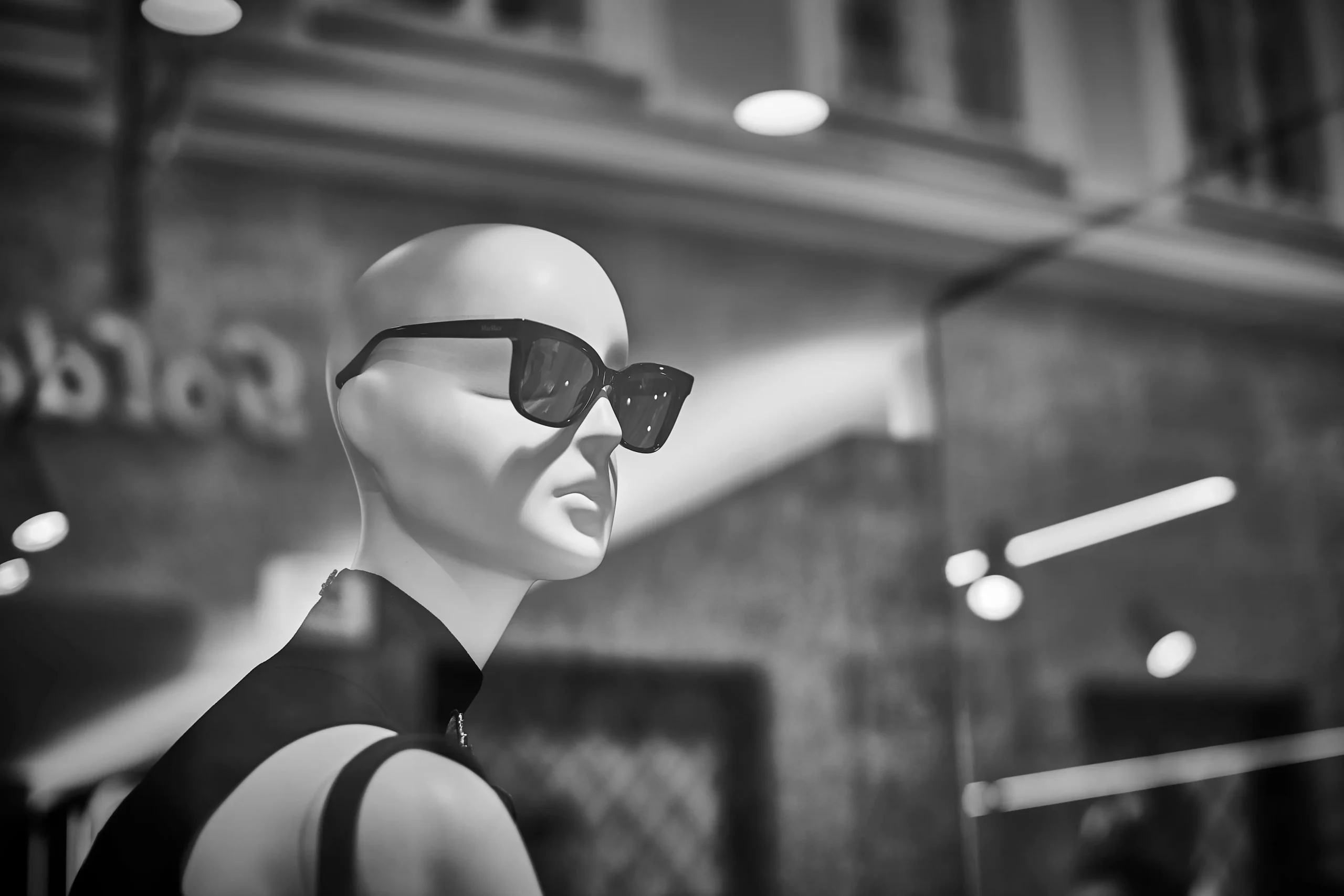
The Silent Salesperson: A Comprehensive Guide to Using Mannequins in Your Garment Shop
In the vibrant, competitive world of retail, what makes a customer walk into your store instead of the one next door? Often, it’s a single, captivating glance. That perfect outfit, displayed flawlessly, telling a story that shoppers want to be a part of. This is the magic of the mannequin—your store’s most effective, yet completely silent, salesperson.
For any garment shop owner, from a cozy local boutique to a large-scale apparel store, mannequins are not just fixtures; they are a fundamental part of your visual merchandising and sales strategy. They are the bridge between a piece of clothing on a hanger and a customer’s imagination.
At Store for Shops, we’ve seen first-hand how the right display strategy can revolutionize a business. We understand that you’re not just selling clothes; you’re selling a feeling, a lifestyle, and an identity. This comprehensive guide is designed to help you unlock the full potential of mannequins. We’ll explore the different types, dive deep into the art of styling, and provide actionable strategies to turn your displays into powerful sales drivers.
Why Your Garment Shop Can’t Afford to Ignore Mannequins
Before we get into the “how,” let’s solidify the “why.” Investing in quality mannequins is one of the smartest decisions you can make for your retail space. Their impact goes far beyond simply holding up a shirt.
They Drive Sales and Increase Average Transaction Value
A well-styled mannequin doesn’t just sell one item; it sells an entire look. When a customer sees a mannequin dressed in a perfectly coordinated outfit—jeans, a top, a jacket, and a scarf—they aren’t just buying clothes. They are buying a pre-approved, stylish solution. This visual cue makes it incredibly easy for shoppers to visualize the complete ensemble, dramatically increasing the likelihood of them purchasing multiple items (cross-selling) instead of just one. It’s the ultimate tool for upselling and boosting your average transaction value.
They Tell Your Brand’s Story
Are you a high-fashion, minimalist brand? Or perhaps you’re all about bohemian, free-spirited vibes? Your mannequins are your lead storytellers. The type you choose (sleek and abstract vs. realistic and relatable), their poses, and the way you dress them instantly communicate your brand’s personality. They set the visual tone for your entire store, creating a cohesive and immersive brand experience from the moment someone looks at your window display.
They Simplify the Shopping Journey
Let’s be honest: rows upon rows of clothing racks can be overwhelming for some shoppers. A strategically placed mannequin acts as a visual guidepost, breaking up the monotony and highlighting your must-have pieces. It answers the customer’s unspoken question: “What’s new and what’s best in here?” This is especially effective for shoppers who prefer a quick and curated experience, allowing them to spot a look they love and find the corresponding items with ease.
They Create Perceived Value
Presentation is everything. A garment steamed and fitted perfectly on a high-quality mannequin looks significantly more valuable than the same piece wrinkled on a crowded rack. Mannequins elevate your products, showcasing their true fit, drape, and quality. This premium presentation can justify your price points and enhance the overall perceived value of your merchandise.
Choosing Your Silent Sales Force: A Guide to Mannequin Types
The world of mannequins is wonderfully diverse. The perfect choice for your shop depends on your brand aesthetic, your target customer, and your budget. Here at Store for Shops, we offer a wide variety to suit every need. Let’s break down the main categories.
1. Realistic Mannequins
These are the classic, lifelike models with detailed facial features, realistic makeup, and often, wigs. They are designed to mirror the human form as closely as possible.
- Best For: Luxury boutiques, bridal shops, and high-end department stores that want to create an aspirational, relatable scene.
- Pros: They create a powerful human connection, making it easy for customers to imagine themselves in the clothes. They are excellent for telling a detailed story.
- Cons: Can be more expensive and require more upkeep (wigs, makeup). If not chosen carefully, their specific “look” might feel dated over time.
2. Abstract Mannequins
Abstract mannequins feature a more stylized and artistic form. They typically have an egg-shaped or featureless head and may come in various finishes like matte white, glossy black, or even metallic chrome.
- Best For: Contemporary fashion stores, modern boutiques, and any brand that wants the clothing to be the absolute star.
- Pros: Incredibly versatile and timeless. They won’t overshadow the garments, allowing the design, color, and texture of the fabric to take center stage.
- Cons: They don’t offer the same “human” connection, which might be less effective for brands built on strong personal relatability.
3. Headless Mannequins
A hugely popular and practical choice, headless mannequins are exactly what they sound like—a full body without a head.
- Best For: Almost any type of garment shop. They are a versatile workhorse for visual merchandising.
- Pros: Cost-effective, easy to dress and handle, and they keep the focus squarely on the clothes’ fit and form. Their neutrality allows them to be used for a wide range of styles without clashing.
- Cons: They lack the personality that a head can provide for more detailed, story-driven displays.
4. Torso & Body Part Mannequins
This category includes forms that showcase a specific part of the body, such as dress forms, shirt torsos, leg forms for hosiery or trousers, and hands for jewellery or gloves.
- Best For: Shops with limited space, displaying specific items (like t-shirts or lingerie), or for creating dynamic, layered displays on shelves and tables.
- Pros: Space-efficient, budget-friendly, and perfect for highlighting individual products or accessories.
- Cons: They cannot display a full, coordinated outfit.
5. Specialty Mannequins
As retail becomes more inclusive and specialized, so do mannequins.
- Plus-Size Mannequins: An absolute essential for brands that champion body positivity and cater to a diverse customer base. Showing your clothes on realistic body shapes builds trust and connection.
- Athletic Mannequins: Posed in dynamic, active stances (running, yoga, jumping), these are perfect for showcasing the performance and flexibility of sportswear.
- Children Mannequins: A must-have for any store with a kids’ section, available in various ages and playful poses.
- Ghost Mannequins: Also called “invisible” mannequins, these are modular forms designed for e-commerce photography. Sections can be removed (like the neck and chest) so the garment appears to be floating on its own, with the inner label visible.
The Art of the Display: How to Style Mannequins to Maximize Sales
Once you’ve selected your mannequins from a trusted supplier like us, the real artistry begins. A mannequin is your canvas. Here’s how to paint a picture that sells.
1. Tell a Compelling Story
Don’t just dress your mannequin; give it a life.
- Create a Scene: Is your mannequin going to a weekend brunch, a formal event, or a casual day at the park? Use simple props and backdrops to set the scene. A small bistro table, a stack of books, or a travel bag can instantly create context and mood.
- Group for Impact (The Rule of Three): A single mannequin is good, but a group of three is powerful. Grouping mannequins allows you to tell a bigger story. Display a collection based on a colour palette, a seasonal trend (e.g., “Autumn Layers”), or an occasion (“Holiday Party Looks”). A group feels more dynamic and lifelike.
2. Master Layering and Accessorizing
This is where you show your styling expertise and increase the potential for multi-item sales.
- Layer Up: Demonstrate the versatility of your pieces. Show how a dress can be worn with a denim jacket or how a simple t-shirt can be elevated with a blazer. Layering adds depth and visual interest.
- Don’t Forget the Details: Accessories are the finishing touch that completes a look. Add a handbag, a statement necklace, a belt, or a stylish hat. This not only makes the outfit look more complete but also puts your high-margin accessories right in the spotlight.
3. Ensure a Perfect Fit
Nothing cheapens a look faster than an ill-fitting outfit.
- Pin and Clip: Use pins and clips discreetly at the back of the mannequin to cinch the waist, shorten a hem, or taper a sleeve. The goal is to make the garment look like it was tailored perfectly for that form, showcasing its intended silhouette.
- Steam Everything: Always steam or press garments before putting them on a mannequin. Wrinkles and creases look unprofessional and suggest poor quality. A crisp, clean presentation is non-negotiable.
4. Use Dynamic Posing
Avoid the “tin soldier” look. A static line of mannequins is uninspiring.
- Create Movement: Choose mannequins with different poses. Have one with a hand on its hip, another seemingly in mid-stride. This sense of movement makes the display feel more alive and engaging. If your mannequins have adjustable arms, reposition them regularly to keep the display fresh.
5. Keep it Fresh and Relevant
Your displays should not be permanent installations.
- Rotate Regularly: We recommend changing your window displays every 2-4 weeks and your key in-store mannequin displays every 1-2 weeks. This signals to repeat customers that there’s always something new to discover.
- Stay Seasonal: Align your displays with the season, upcoming holidays, or local events. This makes your store feel current and connected to your community’s calendar.
Mannequin Placement: Strategic Positioning for Maximum Impact
Where you place your mannequins is just as important as how you style them. Think of them as anchors in your store’s layout.
- The Decompression Zone: Place your most powerful, statement-making mannequin group right at the entrance. This “decompression zone” is where shoppers transition from the outside world. A stunning display here sets a positive tone for their entire visit.
- Power Walls: Use mannequins to draw attention to the key walls in your store, often the first wall customers see upon entering. This directs foot traffic and highlights your most important collections.
- End of Aisles: Placing a torso form or a full mannequin at the end of a gondola shelving unit is a perfect way to break up the aisle and feature a specific product or promotion.
- Throughout the Store: Sprinkle mannequins throughout the sales floor to create visual interest points and guide customers on a journey through your different departments.
Frequently Asked Questions
We get a lot of questions from retailers looking to invest in their visual merchandising. Here are some of the most common ones.
Q: How many mannequins does a small boutique need?
A: There’s no magic number, but a great starting point is a group of 2-3 for your main window display and another 3-5 strategically placed inside. The key is quality over quantity. A few perfectly styled mannequins are far more effective than a dozen cluttered ones.
Q: What’s the best way to clean and maintain mannequins?
A: For most fiberglass or plastic mannequins, a soft cloth with mild, soapy water is all you need. For stubborn scuffs on matte finishes, a magic eraser can work wonders. Always handle them with care to prevent chips and scratches, and store them in a safe place when not in use.
Q: Should my mannequins reflect my target customer?
A: Absolutely! Your mannequins are an extension of your brand identity. If you target a mature, sophisticated audience, use classic, elegant poses. If your audience is young and trendy, opt for more dynamic and edgy poses. Inclusivity is crucial today—incorporating plus-size mannequins or those with diverse skin tones shows that you welcome and celebrate all customers.
Q: What’s the difference between fiberglass and plastic mannequins?
A: Fiberglass mannequins generally have a higher-end finish, sharper details, and a more premium feel, making them ideal for boutique and luxury settings. Plastic (or PE) mannequins are more durable, lightweight, and chip-resistant, making them a great, cost-effective choice for high-traffic stores or shops on a tighter budget.
Q: Can I repaint or customize my mannequins?
A: Yes! Many retailers paint older mannequins to give them a new lease on life. A fresh coat of matte black or a vibrant colour can completely change their look to match a new store design or collection theme. Just be sure to use the correct type of paint and primer for the material.
The Final Word: Your Silent Sales Force is Ready to Work
In retail, you have only a few seconds to capture a customer’s attention. Mannequins are your secret weapon in that battle. They are a silent, 24/7 sales team, visual storytellers, and brand ambassadors all rolled into one.
By choosing the right types, styling them with creativity, and placing them strategically, you transform your garment shop from a simple store into an inspiring destination.
At Store for Shops, we’re committed to providing you with the high-quality mannequins, fixtures, and shop fittings you need to build that destination. We’re here to be your partner in creating a retail experience that not only looks incredible but also delivers outstanding results. Explore our collection and let’s start building your vision today.