
Our Philosophy Of Modular Design In Retail.
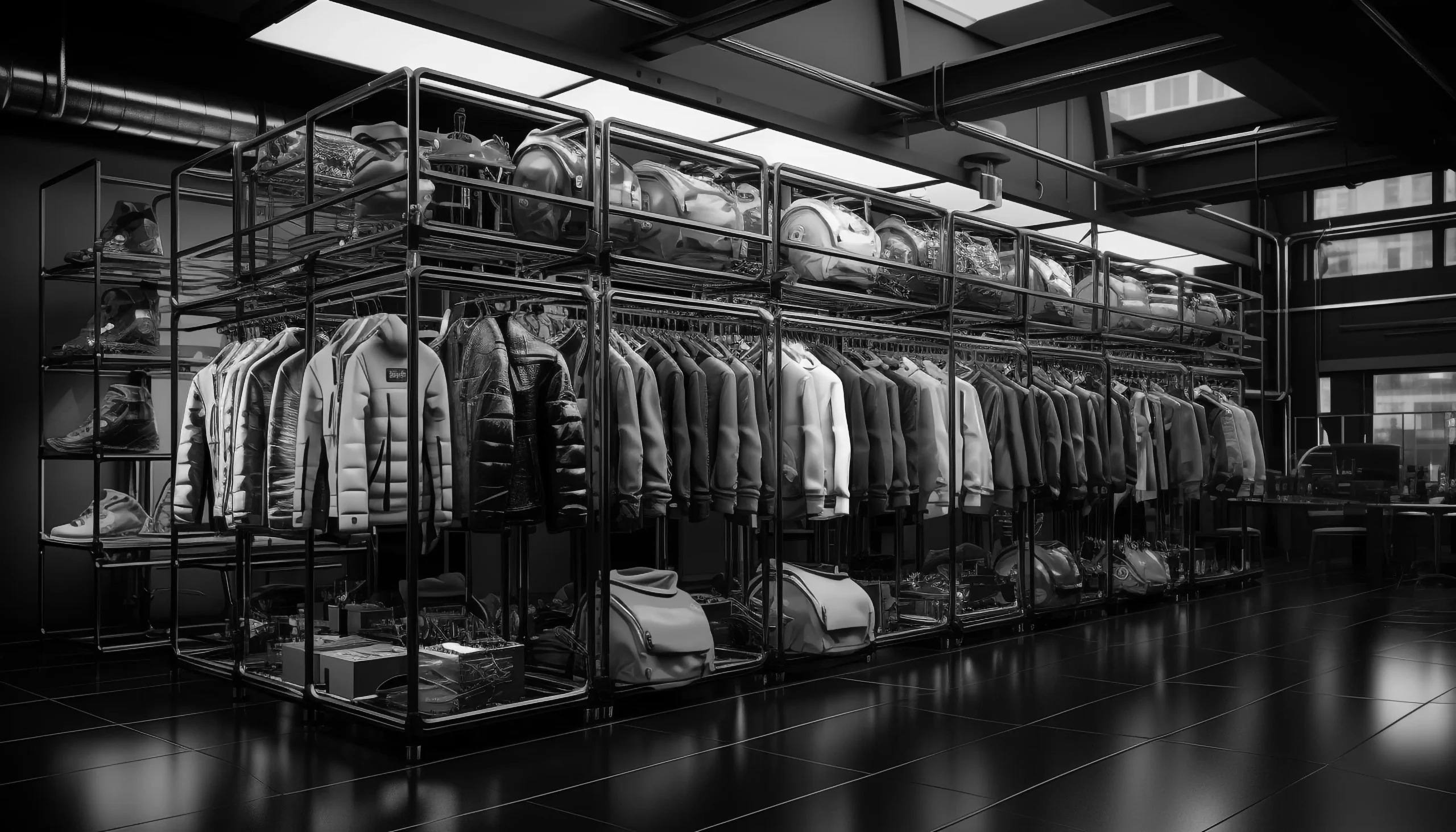
How Store For Shops Transforms Commerce Through Dynamic Store Solutions
Introduction: Beyond Static Retail – The Philosophy Revolution
The retail industry stands at a crossroads. The traditional “cathedral of commerce” model—stores built as permanent monuments to brands—is crumbling under the weight of rapidly changing consumer expectations, seasonal demands, and market dynamics. In its place, a revolutionary philosophy is emerging: modular design that treats retail spaces as dynamic, intelligent platforms capable of continuous evolution.
At Store For Shops, we’ve embraced this philosophical transformation, structuring our entire approach around five fundamental pillars that redefine what retail spaces can and should be. These aren’t just design principles—they’re strategic responses to the modern retail reality where change is the only constant, and adaptability determines survival.
This comprehensive exploration of modular design philosophy will reveal how forward-thinking retailers are abandoning static layouts in favour of dynamic canvases, transforming their stores from rigid structures into fluid, responsive environments that serve customers better while optimizing operational efficiency and brand expression.
The Foundation: Understanding Modular Design Philosophy in Modern Retail
The Paradigm Shift from Static to Dynamic
Traditional retail design operated under the assumption that stores were long-term investments requiring minimal changes over their operational lifetime. This approach created beautiful but inflexible spaces that became liabilities when market conditions shifted, consumer preferences evolved, or business needs changed.
Modular design philosophy fundamentally rejects this static approach. Instead, it embraces the reality that modern retail must be as dynamic as the markets it serves. This philosophical shift recognizes that the physical store environment should enhance rather than constrain a retailer’s ability to respond to opportunities and challenges.
Why Philosophy Matters in Retail Design
Philosophy drives practice. When retailers understand the deeper principles behind modular design, they make better decisions about fixtures, layouts, and operational procedures. This understanding creates alignment between business strategy and physical environment, ensuring that every design choice supports broader business objectives.
At Store For Shops, our modular solutions are built on philosophical foundations that prioritize adaptability, efficiency, and customer experience. This approach enables retailers to create spaces that serve them today while positioning them for future success.
Pillar One: The Philosophy of Fluidity – The Store as a Dynamic Canvas
Core Philosophy: Embracing Constant Change
The Philosophy of Fluidity represents a fundamental reimagining of retail space. Rather than viewing stores as permanent installations designed to last decades with minimal modification, this philosophy treats retail environments as dynamic canvases that must continuously adapt to reflect the ever-changing nature of commerce.
Core Belief: The only constant in retail is change. Seasons shift, trends emerge and fade, promotional campaigns launch and conclude, inventory levels fluctuate, and consumer behaviour evolves—sometimes daily. The physical environment must reflect this pace of change, not resist it.
This philosophy challenges retailers to abandon the mindset that views layout changes as disruptive exceptions and instead embrace them as natural, necessary aspects of successful retail operations.
Practical Implementation: The Kit-of-Parts Approach
Interlocking Systems: Our modular fixtures function as sophisticated building blocks, featuring standardized connection points that allow unlimited configuration possibilities. Floor panels, shelving units, display stands, and lighting systems work together seamlessly.
Rapid Transformation Capabilities: A clothing section dedicated to winter coats in December transforms effortlessly to showcase swimwear in May without costly renovations or extended downtime. The same physical space serves multiple seasonal purposes throughout the year.
Real-World A/B Testing: Store managers can test different layout configurations in real-time, using actual customer behaviour and sales data to optimize arrangements. This capability transforms layout design from guesswork into data-driven decision making.
Example Application: A fashion boutique using our modular gondola shelving system can reconfigure their entire floor plan in under four hours, moving from a linear browsing layout for busy weekdays to an open, social configuration for weekend events—all using the same core fixtures.
Business Impact of Fluidity Philosophy
Seasonal Revenue Optimization: Stores can maximize revenue for each season by optimizing layouts for specific product categories and customer behaviours.
Promotional Agility: Special promotions, product launches, and marketing campaigns can be supported with appropriate physical environments without lead time or additional investment.
Inventory Accommodation: As inventory levels change, the physical space adapts to maintain visual appeal and shopping functionality regardless of stock levels.
Customer Engagement: Regular layout refreshes create a sense of novelty that encourages repeat visits and extended browsing time.
Pillar Two: The Philosophy of Resource Intelligence – Doing More with Less
Core Philosophy: Maximizing Efficiency and Sustainability
The Philosophy of Resource Intelligence challenges the wasteful “build-and-demolish” cycle that has historically characterized retail fit-outs. This approach recognizes that resources—time, materials, and capital—are finite and should be respected through intelligent design and implementation strategies.
Core Belief: Reusability is superior to disposability. A smart system delivers better results than simply investing more resources. Efficiency and sustainability aren’t just environmental concerns—they’re competitive advantages.
This philosophy drives every aspect of our modular design approach, from manufacturing processes to end-of-life component management.
Implementation: Circular Economy in Retail Design
Prefabricated Quality: Our modular components are manufactured off-site under controlled conditions, ensuring superior quality control while dramatically reducing on-site construction time, noise, and business disruption.
Component Lifecycle Management: When stores need refreshing, modules aren’t discarded—they’re reconfigured, refinished, or selectively replaced. This creates a circular economy within each retailer’s own ecosystem.
Cross-Location Resource Sharing: Shelving units from a closing location can be reconfigured and deployed in new stores, maximizing the value of every investment while maintaining brand consistency.
Reduced Total Cost of Ownership: Over a store’s operational lifetime, modular systems deliver significantly lower costs through reduced renovation expenses, minimized downtime, and extended component lifecycles.
Sustainability Leadership Through Modularity
Material Efficiency: Standardized components reduce material waste during both manufacturing and installation phases.
Transportation Optimization: Modular components pack efficiently, reducing shipping costs and environmental impact.
End-of-Life Value Recovery: Components maintain value throughout their lifecycle and can be easily disassembled for recycling or repurposing.
Energy Efficiency: Reduced need for major renovations means lower energy consumption over the store’s operational lifetime.
Case Study: A specialty electronics retailer reduced their store renovation costs by 65% and renovation time by 80% after adopting our modular display systems, while simultaneously reducing their environmental footprint through component reuse across multiple locations.
Pillar Three: The Philosophy of Coherent Scalability – Encoding Brand DNA
Core Philosophy: Consistent Identity Across All Formats
The Philosophy of Coherent Scalability addresses one of the most critical challenges facing growing brands: maintaining consistent brand identity across diverse physical formats, from flagship stores in major metropolitan areas to temporary pop-up installations in local markets.
Core Belief: A brand’s physical identity should be coherent and instantly recognizable, regardless of store size, location, or format. This identity should be encoded in the core design components, creating a scalable system that maintains brand integrity while allowing format flexibility.
This philosophy ensures that customers experience the same brand essence whether they’re shopping in a 5,000-square-meter flagship or a 50-square-meter pop-up installation.
Brand DNA Through Modular Components
Standardized Brand Elements: Specific materials, connection details, lighting fixtures, and display modules are designed and approved as carriers of brand identity. These elements deploy in various combinations to fit any space while maintaining brand coherence.
Scalable Brand Expression: The same core components that create an intimate boutique experience can be multiplied and reconfigured to fill a large department store space, ensuring brand consistency across all touchpoints.
Format Agility: Brands can confidently expand into new formats—pop-ups, shop-in-shops, temporary installations, event-based retail—knowing their identity will remain intact and recognizable.
Quality Consistency: Whether a customer visits a small neighborhood location or a premium flagship store, they encounter the same level of fixture quality and brand presentation.
Implementation Strategies for Brand Coherence
Component Libraries: We develop comprehensive libraries of approved components for each brand, ensuring that any configuration maintains brand standards while allowing creative flexibility.
Modular Brand Guidelines: Traditional brand guidelines extend to include modular system specifications, connection standards, and approved configuration patterns.
Training and Support: Store teams receive training on brand-appropriate configurations, empowering them to maintain brand standards while adapting to local needs.
Quality Assurance: Consistent manufacturing standards ensure that brand expression remains uniform regardless of component age or store location.
Success Story: A growing home goods retailer used our modular approach to expand from three flagship stores to over 50 locations in 18 months, maintaining perfect brand consistency while adapting to spaces ranging from 200 to 2,000 square meters.
Pillar Four: The Philosophy of the Experiential Stage – Beyond Transactions
Core Philosophy: Stores as Performance Venues
The Philosophy of the Experiential Stage responds directly to the rise of e-commerce and the evolving role of physical retail spaces. As online channels handle routine transactions, physical stores must transform into venues for experiences, community building, and brand storytelling.
Core Belief: The physical store is a stage where products, staff, and environment work together to create memorable experiences. To keep audiences engaged, the performance must evolve continuously.
This philosophy recognizes that modern consumers visit physical stores for reasons beyond simple product acquisition—they seek inspiration, education, social connection, and entertainment.
Creating Multi-Purpose Retail Theaters
Rapid Scene Changes: Modular systems enable the retail “stage” to be reset quickly for different functions. A product display area on weekdays becomes an event space for evening product launches and a community workshop venue on weekends.
Flexible Programming: Stores can host product demonstrations, educational workshops, social events, fitness classes, or artistic performances—all using the same modular infrastructure configured for each specific purpose.
Dynamic Customer Engagement: Regular environmental changes create reasons for customers to return beyond the need to purchase something, building stronger relationships and increasing lifetime value.
Community Hub Development: Stores transform from transactional spaces into multi-purpose community hubs that serve diverse local needs while strengthening brand connections.
Experience Design Through Modularity
Event-Ready Infrastructure: Modular systems include integrated power, lighting, and technology connection points that support various event types without additional installation.
Audience Configuration: The same space can be arranged for intimate product consultations, medium-sized workshops, or larger community gatherings.
Brand Theater: Modular backdrops, lighting systems, and display configurations create appropriate atmospheres for different types of brand experiences.
Interactive Zones: Dedicated areas can be quickly reconfigured to feature different interactive technologies, product sampling stations, or hands-on demonstration areas.
Implementation Example: A beauty retailer uses modular systems to transform their space daily—product consultations during business hours, makeup workshops in the evenings, and community wellness events on weekends, all using the same core infrastructure.
Pillar Five: The Philosophy of Localized Empowerment – Democratic Design Control
Core Philosophy: Empowering Local Decision-Making
The Philosophy of Localized Empowerment represents a strategic decentralization of design control, recognizing that store managers closest to customers often possess the most valuable insights about local preferences, behaviors, and opportunities.
Core Belief: The person closest to the customer—typically the store manager—has the best understanding of local needs and should be empowered to make meaningful environmental changes without navigating complex corporate approval processes.
This philosophy transforms store managers from passive implementers of corporate directives into active curators of locally relevant retail experiences.
Enabling Local Responsiveness
Intuitive Configuration Systems: Modular systems feature simple, logical connection methods that allow store teams to make meaningful layout changes without specialized training or tools.
Local Market Adaptation: Store managers can emphasize products that perform well in their specific market, adapt displays for local events, or reconfigure spaces to accommodate regional shopping patterns.
Real-Time Market Response: Local teams can quickly respond to unexpected opportunities—highlighting a product featured in local media, creating special displays for community events, or adapting to seasonal variations unique to their geography.
Community Connection: Stores feel more connected to their local communities when they can adapt their environments to reflect local interests, events, and cultural preferences.
Implementation of Local Empowerment
Manager Training Programs: Store managers receive comprehensive training on modular system capabilities and approved configuration options, building confidence in local decision-making.
Configuration Guidelines: Clear, visual guides show approved arrangements while leaving room for local creativity and adaptation.
Feedback Systems: Local insights and successful configurations are shared across the network, creating a collaborative learning environment.
Support Infrastructure: Regional support teams provide guidance and assistance when needed, ensuring local empowerment doesn’t compromise brand standards.
Success Metrics: Performance improvements from local adaptations are tracked and celebrated, encouraging continued innovation at the store level.
Case Study: A sporting goods retailer empowered local managers to adapt displays based on regional sports seasons and local team performance, resulting in a 28% increase in locally relevant product sales and improved customer engagement scores.
Integration: How the Five Pillars Work Together
Synergistic Philosophy Implementation
The true power of modular design philosophy emerges when all five pillars work in harmony. Each pillar reinforces the others, creating a comprehensive approach that transforms retail operations at every level.
Fluidity Enables Experience: The ability to rapidly reconfigure spaces (Pillar One) makes experiential programming possible (Pillar Four).
Resource Intelligence Supports Scalability: Efficient component reuse (Pillar Two) makes brand expansion economically viable (Pillar Three).
Empowerment Enhances Fluidity: Local decision-making capability (Pillar Five) accelerates the adaptation cycles enabled by fluid design (Pillar One).
Scalability Drives Efficiency: Standardized components across multiple locations (Pillar Three) optimize resource utilization (Pillar Two).
Store For Shops: Bringing Philosophy to Practice
Comprehensive System Design: Our modular solutions embody all five philosophical pillars, ensuring that every component and connection supports the broader vision of dynamic retail.
Training and Support: We provide extensive training that goes beyond product features to include philosophical understanding, enabling retailers to make decisions aligned with modular principles.
Continuous Innovation: Our product development process considers all five pillars, ensuring new components and systems support the complete philosophical framework.
Customer Partnership: We work with retailers to understand their specific challenges and opportunities, customizing our modular approach to maximize the benefits of each philosophical pillar.
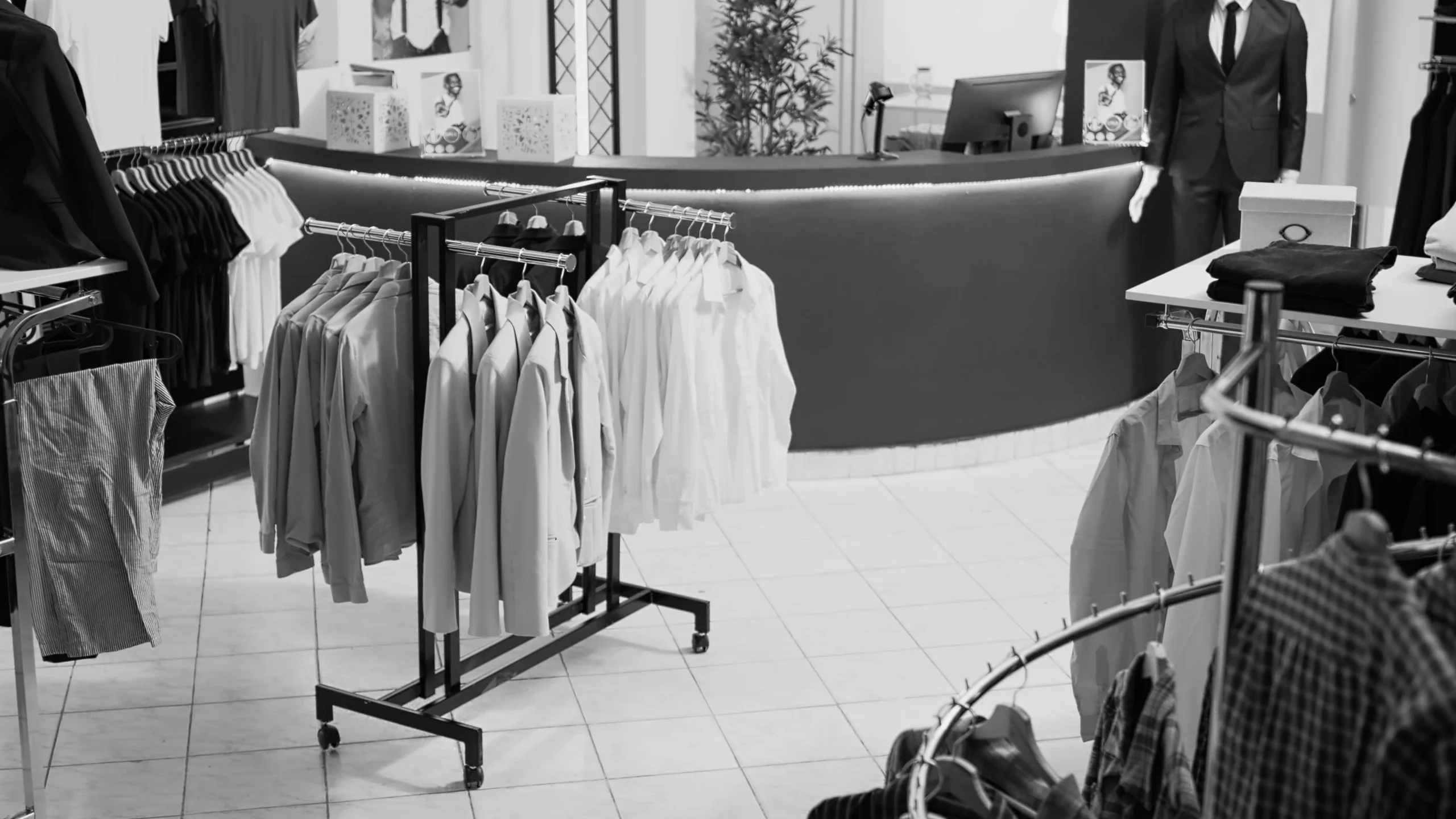
Measuring Success: KPIs for Philosophical Implementation
Fluidity Metrics
Layout Change Frequency: Track how often and quickly layouts are modified to respond to market conditions.
Seasonal Revenue Optimization: Measure revenue improvements from optimized seasonal configurations.
Promotional Response Time: Monitor how quickly stores can physically support new marketing campaigns.
Customer Engagement: Track changes in browsing time and customer interaction levels following layout modifications.
Resource Intelligence Indicators
Component Reuse Rates: Measure what percentage of fixtures are reused rather than replaced during refreshes.
Total Cost of Ownership: Track long-term cost savings compared to traditional fixed installation approaches.
Installation Time Reduction: Monitor decreases in store closure time required for modifications.
Waste Reduction: Measure decreases in material waste and disposal costs.
Scalability Success Measures
Brand Consistency Scores: Track customer recognition and brand perception consistency across different store formats and sizes.
Expansion Speed: Measure time-to-market improvements for new locations using modular systems.
Format Flexibility: Track successful deployment across different retail formats and environments.
Quality Consistency: Monitor consistent customer experience ratings across all locations.
Experiential Stage Performance
Event Hosting Frequency: Track how often stores successfully host non-transactional events and activities.
Community Engagement: Measure participation in store-hosted community activities and workshops.
Customer Return Rates: Monitor increases in visit frequency for experiential rather than transactional purposes.
Social Media Engagement: Track customer-generated content and social sharing from store experiences.
Local Empowerment Effectiveness
Manager Satisfaction: Survey store managers on their ability to adapt their environments to local needs.
Local Performance Variance: Track performance improvements that correlate with local adaptations.
Configuration Innovation: Monitor unique local configurations that get adopted across the network.
Community Feedback: Measure local customer appreciation for store responsiveness to community needs.
Industry Applications: Philosophy Across Retail Sectors
Fashion and Apparel: Seasonal Fluidity Excellence
Fashion retailers benefit enormously from all five philosophical pillars, particularly fluidity and experiential staging:
Seasonal Transitions: Modular clothing racks and display systems adapt seamlessly from heavy winter merchandise to lightweight summer collections.
Trend Responsiveness: Local managers can quickly highlight trending items or adapt displays for local fashion preferences.
Brand Experience: Fashion shows, styling workshops, and personal shopping sessions use the same modular infrastructure.
Multi-Brand Environments: Department stores create distinct brand experiences using modular partitions and specialized display elements.
Electronics and Technology: Innovation Through Modularity
Technology retailers leverage resource intelligence and scalability principles most effectively:
Product Lifecycle Adaptation: As technology products evolve rapidly, modular displays accommodate new sizes, features, and demonstration requirements without complete system replacement.
Interactive Experience Zones: Modular systems incorporate charging stations, security features, and interactive demonstrations that update as new products launch.
Brand Partnerships: Temporary brand installations and product launch events use modular infrastructure for maximum flexibility and impact.
Specialty Food and Gourmet: Local Empowerment in Action
Food retailers exemplify the success of localized empowerment and experiential staging:
Seasonal Product Accommodation: Display systems modify to highlight seasonal specialties and holiday products specific to local markets.
Community Events: Cooking classes, wine tastings, and food education sessions transform retail spaces into community gathering places.
Local Sourcing Displays: Managers can quickly create displays highlighting local farmers, artisans, and seasonal products.
Health and Beauty: Experience-Driven Retail
Beauty retailers maximize the experiential stage and brand scalability benefits:
Product Testing Environments: Flexible fixture systems incorporate mirrors, lighting, and testing stations that reconfigure for different featured brands or seasonal campaigns.
Educational Programming: Makeup workshops, skincare consultations, and wellness seminars use modular spaces adapted for each specific purpose.
Brand Pop-Ups: Temporary brand installations within larger stores create focused experiences using standardized modular components.
Future Evolution: Philosophy in Tomorrow’s Retail
Emerging Technology Integration
AI-Driven Configuration: Artificial intelligence systems that automatically optimize modular layouts based on customer behavior analysis, sales data, and predictive modeling.
Augmented Reality Planning: AR tools enabling store managers to visualize different modular configurations before physical implementation, supporting more confident local decision-making.
Smart Component Networks: IoT-enabled modular components that provide real-time data on customer interactions, product performance, and optimal configurations.
Automated Reconfiguration: Robotic systems capable of implementing modular reconfigurations based on programmed schedules or real-time optimization algorithms.
Evolving Consumer Expectations
Hyper-Personalization: Modular systems that create individualized shopping environments based on customer preferences and purchase history.
Social Commerce Integration: Displays optimized for customer-generated content creation and social media sharing.
Sustainability Transparency: Customers increasingly value and expect visible sustainability practices, making resource intelligence a competitive advantage.
Community Co-Creation: Customers participating in store design and configuration decisions, enabled by modular system flexibility.
Industry Transformation Trends
Cross-Industry Learning: Retail adopting modular concepts from automotive, aerospace, and technology manufacturing industries.
Global Standardization: Industry-wide standards for modular retail components and connection systems.
Collaborative Platforms: Shared platforms for component trading, configuration sharing, and best practice distribution.
Service Integration: Comprehensive service ecosystems including design consultation, installation, reconfiguration, and lifecycle management.
Why Store For Shops Leads in Philosophical Implementation
Our Holistic Approach
Complete Ecosystem Development: Rather than offering individual modular components, we develop complete ecosystems that embody all five philosophical pillars.
Philosophy-Driven Innovation: Our product development process begins with philosophical principles, ensuring every new solution supports the complete modular vision.
Education and Training: We provide comprehensive education that goes beyond product features to include philosophical understanding and strategic implementation.
Long-Term Partnership: Our relationship with retailers extends beyond initial installation to include ongoing optimization, expansion support, and strategic consultation.
Unique Value Proposition
Quality Without Compromise: Our modular systems maintain premium quality standards while delivering superior flexibility and efficiency.
Transparent Partnership: We operate with complete transparency in pricing, capabilities, and limitations, building trust through honest communication.
Innovation Leadership: We continuously push the boundaries of what’s possible in modular retail design, anticipating future needs and opportunities.
Customer Success Focus: Our success metrics align with customer success, ensuring our incentives support long-term retailer prosperity.
Proven Track Record
Multi-Industry Experience: We’ve successfully implemented modular solutions across diverse retail sectors, proving the universal applicability of our philosophical approach.
Scalable Implementations: From single-location boutiques to international retail chains, our solutions scale effectively while maintaining philosophical integrity.
Measurable Results: Our customers consistently report significant improvements in operational efficiency, customer engagement, and business performance.
Industry Recognition: Our philosophical approach and implementation excellence have earned recognition from industry associations and retail thought leaders.
Conclusion: The Philosophical Future of Retail
The five pillars of modular design philosophy—Fluidity, Resource Intelligence, Coherent Scalability, Experiential Stage, and Localized Empowerment—represent more than design principles. They constitute a comprehensive response to the fundamental challenges facing modern retail, providing a framework for creating physical environments that enhance rather than constrain business success.
At Store For Shops, we’ve embraced these philosophical foundations not as abstract concepts but as practical guides for developing solutions that serve real retailers facing real challenges. Our modular systems embody these principles, enabling retailers to create dynamic, efficient, scalable, experiential, and locally responsive environments.
The future of retail belongs to those who understand that physical spaces must be as dynamic and intelligent as the businesses they house. Static installations and rigid layouts are remnants of a retail era that no longer exists. Success requires embracing the philosophical transformation that modular design represents.
This transformation isn’t just about changing fixtures—it’s about changing mindsets. It requires retailers to view their physical spaces not as fixed assets but as dynamic tools for customer engagement, brand expression, and business optimization. It demands a shift from thinking about stores as permanent installations to viewing them as adaptive platforms capable of continuous evolution.
The retailers who embrace this philosophical shift will find themselves equipped with unprecedented flexibility to respond to market changes, customer demands, and growth opportunities. They’ll create environments that delight customers, empower staff, optimize resources, and strengthen brand connections.
The question isn’t whether modular design philosophy will reshape retail—it’s whether your business will be positioned to benefit from this transformation. By understanding and implementing these five pillars, retailers can build the foundation for sustained success in an increasingly dynamic marketplace.
The future of retail is modular, and that future begins with embracing the philosophy that makes true adaptability possible.
Frequently Asked Questions
Q: How do the five philosophical pillars work together in practice?
A: The pillars are synergistic—fluidity enables experiential programming, resource intelligence supports brand scalability, local empowerment accelerates adaptation, and all pillars together create a comprehensive system that transforms retail operations at every level.
Q: Can small independent retailers benefit from these philosophical approaches?
A: Absolutely. These principles scale from single-location boutiques to international chains. Small retailers often benefit most from local empowerment and fluidity, gaining competitive advantages previously available only to larger retailers.
Q: How long does it take to see results from implementing modular design philosophy?
A: Initial benefits like layout flexibility appear immediately, while deeper impacts like resource efficiency and brand scalability develop over 6-12 months. The experiential and community benefits often show measurable results within the first quarter.
Q: What’s the difference between modular fixtures and modular philosophy?
A: Modular fixtures are the tools; modular philosophy is the strategic approach. The philosophy guides how you think about retail space, customer needs, and business adaptation, while fixtures are the means of implementation.
Q: How do you maintain brand consistency with increased local empowerment?
A: Through coherent scalability principles—standardized brand DNA components and clear guidelines that define the boundaries of acceptable variation while encouraging local responsiveness within brand standards.
Q: Can existing stores transition to modular philosophy gradually?
A: Yes, the transition can be phased. Many retailers start by implementing modular principles in high-traffic areas or seasonal sections, gradually expanding as they experience the benefits and build internal capabilities.
Q: How does modular philosophy impact staff training and operations?
A: Staff gain greater autonomy and responsibility for their environment, which typically increases job satisfaction and customer service quality. Training focuses on system capabilities and brand guidelines rather than rigid procedural compliance.
Q: What role does technology play in modular design philosophy?
A: Technology enhances each pillar—enabling faster reconfiguration, optimizing resource use, supporting brand consistency, creating interactive experiences, and empowering local decision-making through data and tools.